

Tuesday, May 18, 2021
Your teen has a lot to offer the world
Some teens are focused entirely on their own needs and wants. Volunteering can help them learn to consider the needs of others. Could your teen organize or take part in a community project? Help an elderly person sign up online for a vaccine appointment? Work with an organization on solving an issue he feels strongly about? Helping others also gives teen a better understanding of their own value to the world.
https://tpitip.com/?31eR8433
Sunday, May 23, 2021
Categorize rules to make them clear
To be sure that your teen understands your rules, consider grouping them into three categories. Group A rules are absolutely firm. Most should be about safety, such as "Never text while driving." Group B rules can bend a bit (curfew can be later for a special event), but only if you and your teen agree in advance. Group C rules let your teen make choices (like what music to listen to in her free time) as long as they don't infringe on the rights of others.
https://tpitip.com/?31eQ8433
Children usually live up to parents' expectations
Parents communicate expectations to children in many ways: by what they say, how they act and how they react to others. Think about what you expect of your child with regard to grades, how much she should be reading, how she should behave in class, and how much education she should get (finish high school? college?). Set your expectations high, then express them to your child clearly and consistently.
https://tpitip.com/?11eV8433
Friday, May 21, 2021
The lessons of music apply to schoolwork, too
Kids who study a musical instrument learn more than how to play a tune. They also learn lessons like the value of practice and persistence. No one is born knowing how to play an instrument. But by sticking with it and practicing regularly, kids soon make music. This experience carries over to other subjects. Students who work hard and study every day can master material. And that makes teachers and parents sing!
https://tpitip.com/?11eU8433
Saturday, April 24, 2021
Put your teen's skills to work on a résumé
Whether your teen is applying for a part-time job or a college scholarship, a résumé can help. It should include her name and address, her school information and any awards or honors she's earned. Even if your teen hasn't had any paying jobs yet, she can include descriptions of experience such as babysitting, volunteering or leading a school club. She should also include special skills, such as being bilingual.
http://niswc.com/37dXC276091
Keep one rule in mind when interacting with your child
It's the Golden Rule: Treat others the way you would like to be treated. And it's key to a happy and productive school environment. One of the best ways to teach your child this rule is to apply it to your own interactions with her. Ask yourself, "Would I want this done to me?" If your answer is "no" (I wouldn't want to be scolded in front of others, for example), then ask, "Why would I want to do this to my child?"
http://niswc.com/17dSC276091
____________________________________________________________
Saturday, April 10, 2021
Recognize and celebrate your child's progress
This unusual school year may not have gone the way you expected so far for your child. But chances are, he has still come a long way since September. Take some time now to recognize his accomplishments. "You have worked really hard to learn subtraction this year. You have proved that you can do hard things when you keep trying." Then discuss what he would like to accomplish in the rest of the year.
http://niswc.com/17dJC276091
Friday, April 9, 2021
Practice positive ways to manage stress
The stresses of life today are real. But family stress can negatively affect your teen's health and schoolwork. Together, adopt some positive ways to deal with stress. Exercise, such as walking, biking or stretching, can help work out the tension. So can laughter. Share funny memes and cartoons with one another. And when your family has problems, helping others in need can provide some perspective.
http://niswc.com/37dIC276091
Friday, April 2, 2021
Teens still need parent involvement
Your teen may not need you to sit beside her as she does schoolwork. But staying engaged in other ways contributes greatly to her learning. Here are just a few: Encourage thinking and writing by suggesting that she keep a journal. Read together, and let her see you read for pleasure. Ask your teen about what she's learning, not just about her grades. And whenever you can, help her connect what she's learning to daily life.
http://niswc.com/37dBC276091
Friday, April 2, 2021
Model attentive listening, now and later
You want your child to listen attentively in class. When you listen attentively to him, it helps him learn by example. But it can be difficult to give your undivided attention when you're trying to get dinner on the table, the dog is barking and a delivery truck has just arrived. If your child is trying to talk to you in a setting that makes it hard to listen, set a time to talk later, when things are calmer. Then follow through.
Quality counts in teen friendships
In a time of social distancing, your teen may have relied on social media for interaction with peers. While she may feel that having lots of online "friends" or followers is important, research shows that teens who have just a few genuinely close friends (in real life or online) have a stronger sense of self-worth and are less likely to be depressed. Discuss the qualities of a good friend with your teen.
http://niswc.com/37cYC276091
_______________________________________________________________
For email/Facebook:
Simple actions encourage student self-discipline
To help your student develop self-discipline, start by establishing a clear set of basic rules and sticking to them. Talk together about ways she and others benefit from self-discipline, particularly academically. It is also important to make your high expectations clear to your teen and to praise her when she lives up to them. Reward her self-disciplined approach to responsibilities by allowing her more freedom.
http://niswc.com/37caC276091
Monday, March 15, 2021
Discuss plagiarism's perils with your teen
Plagiarism is copying information or original ideas directly from another source without giving credit. Explain to your student that copying word for word is cheating. So is passing someone else's ideas off as his own. Both can result in a failing grade. Tell him to read the information in his sources and put it into his own words. If he wants to discuss an idea or quote a sentence word for word, he should give credit to the author.
http://niswc.com/37cOC276091
______________________________________________________________
Wednesday, March 17, 2021
Be a safety valve for your teen
Students have had to cope with a lot in the past year. To help your teen deal with pressures without adding to them, show her you care. Be available. Respect her feelings, and avoid making unrealistic demands. Your teen should feel she is meeting her goals, not yours. Support her by helping her develop effective study habits. When studying is routine, it's easier to deal with increasing workloads.
http://niswc.com/37cQC276091
Monday, March 15, 2021
Get help if schoolwork is a constant challenge
If your child is struggling day after day with schoolwork, contact her teacher. Explain what is happening and ask for suggestions. Your child might need extra help from a tutor or a schedule to make up missed assignments. She may need more challenging work or help with English or technological issues. Work with the teacher on a plan to address the issue, then follow up.
http://niswc.com/17cOC276091
________________________________________________________________
Tuesday, March 16, 2021
Encourage persistence, step by step
It takes persistence to achieve long-term goals. Learning to break those goals down into shorter-term pieces can help your child keep going. To develop his persistence, help him think of each step as an experience that adds to his knowledge. When a task he must complete isn't fun, help him plan a small reward for finishing it. Then mark his progress with visual reminders, such as stickers on a chart.
http://niswc.com/17cPC276091

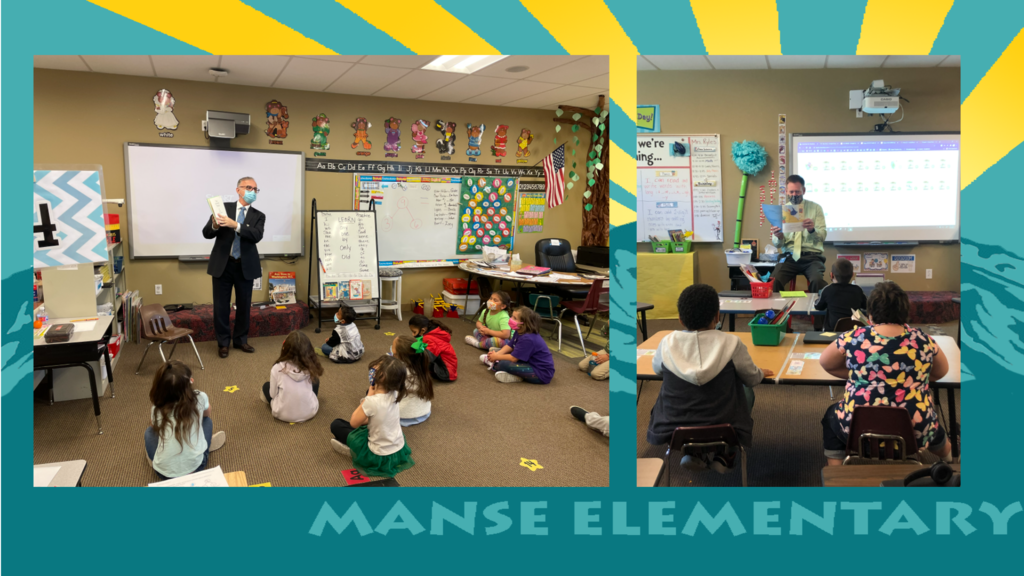
The first week of March is always National Reading Week. Here are a few photos from Manse Elementary.


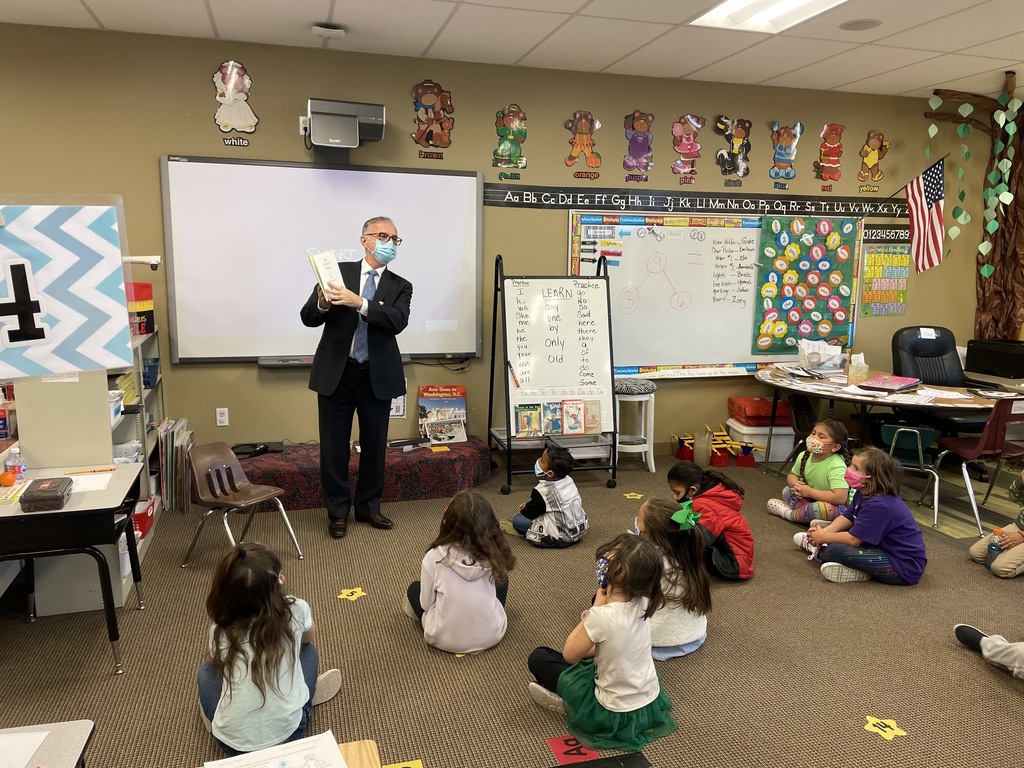

The first week of March is always National Reading Week. Here are a few photos from Manse Elementary.
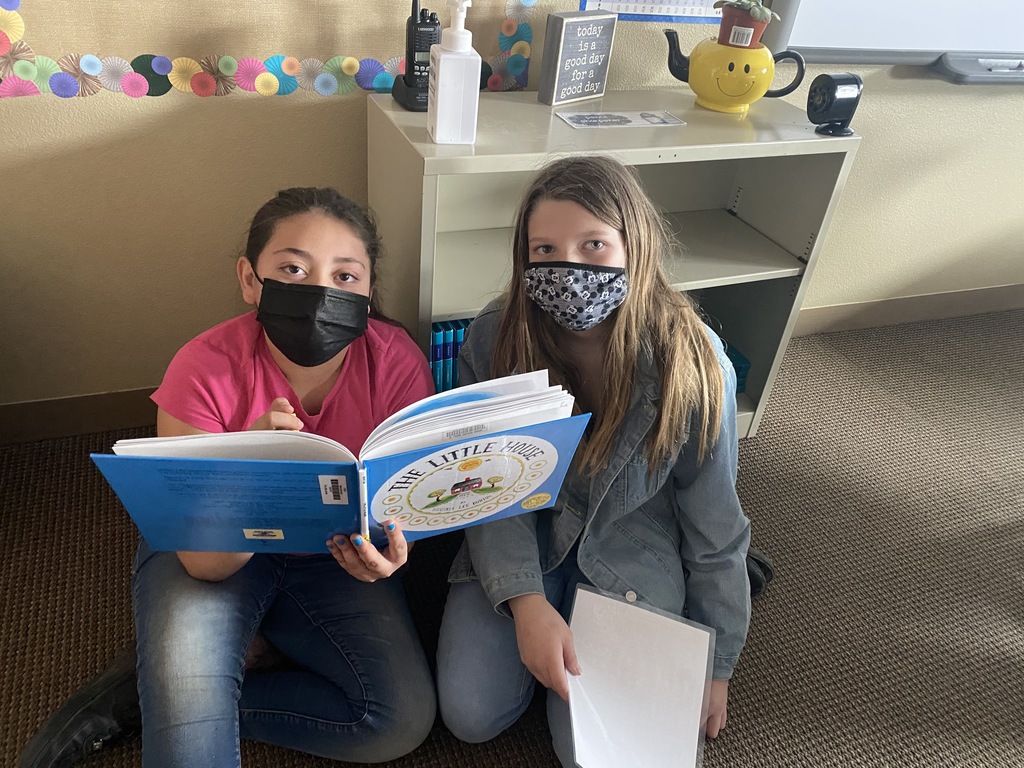
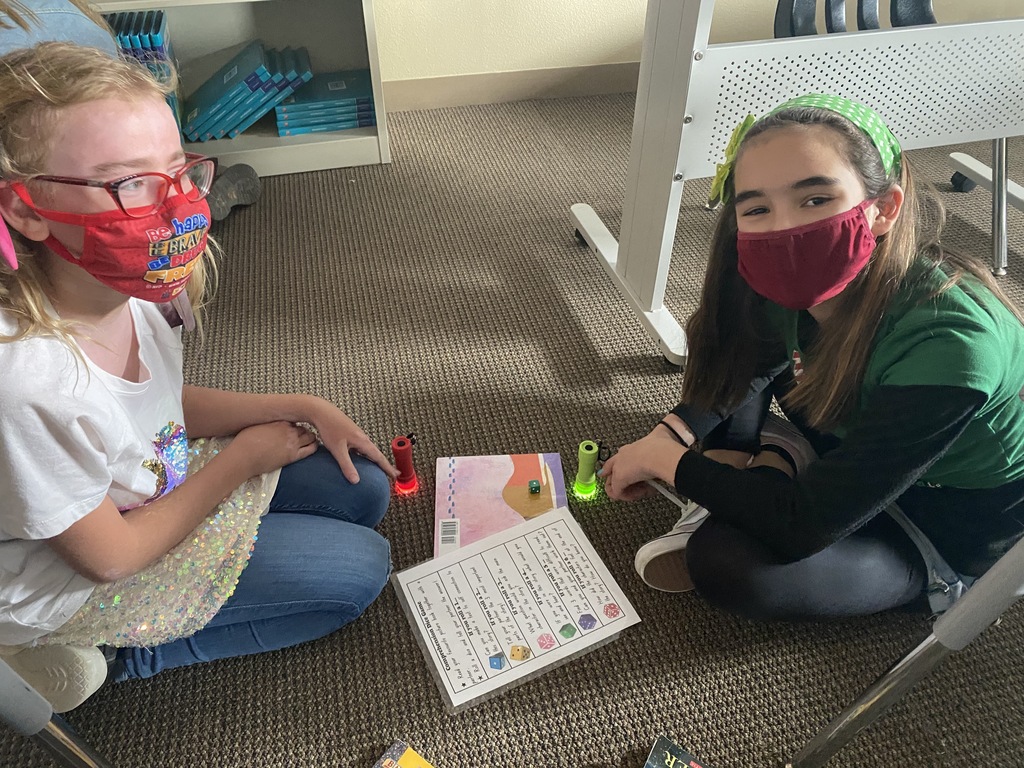
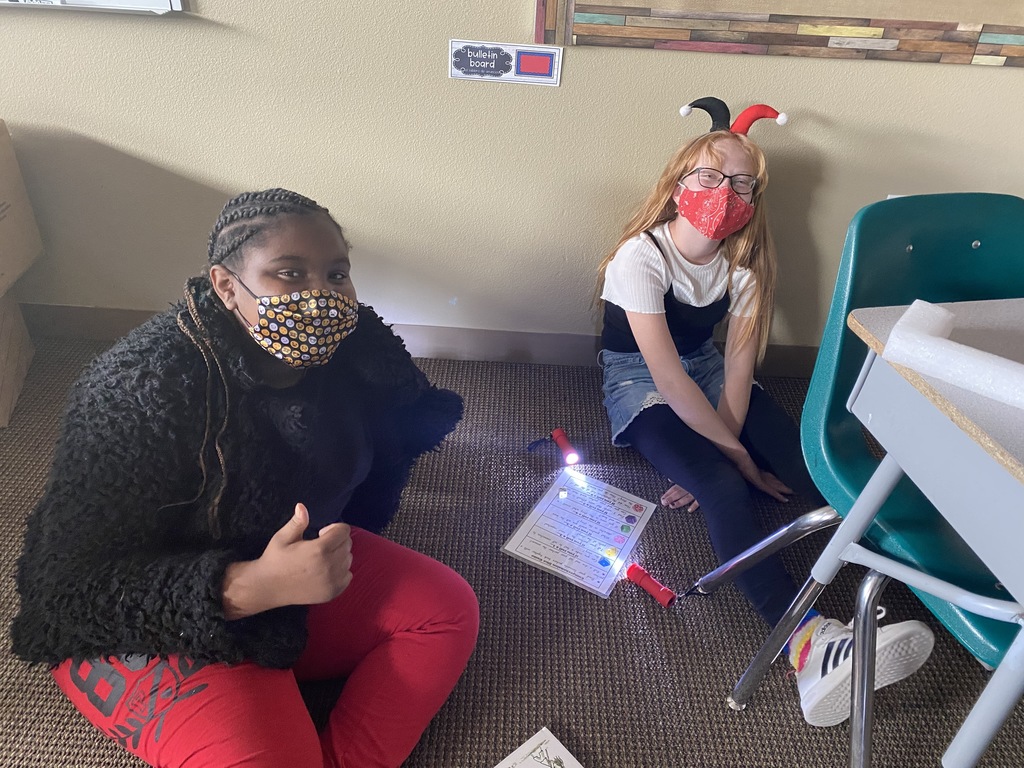
The first week of March is always National Reading Week. Here are a few photos from Manse Elementary.


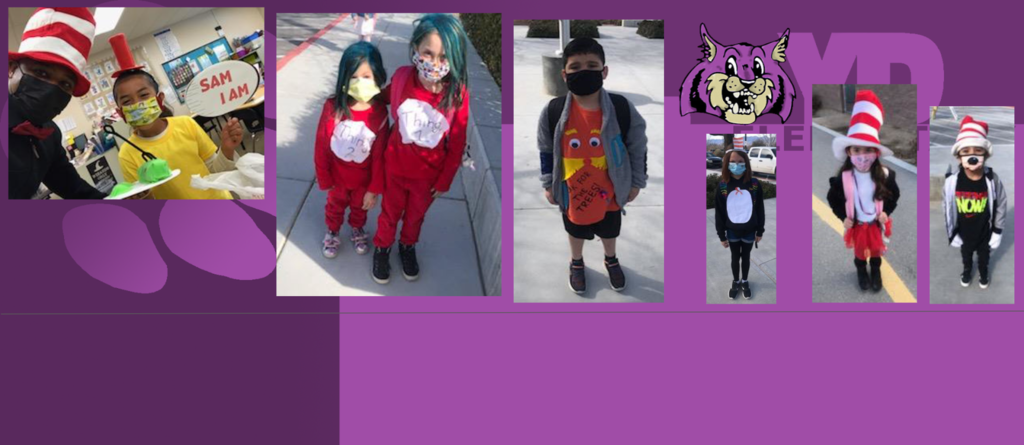
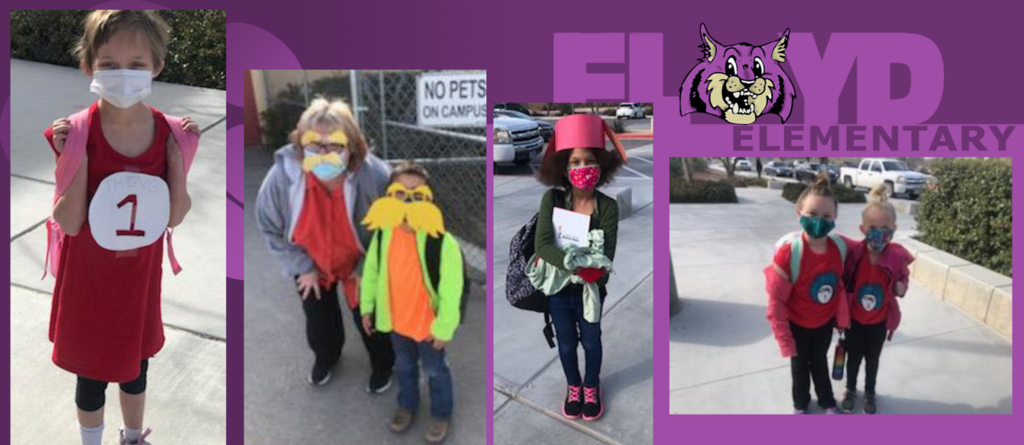
The first week of March is always National Reading Week. Here are a few photos from Beatty Elementary getting into the spirit


The first week of March is always National Reading Week. Here are a few photos of schools getting into the spirit.


Monday, March 8, 2021
Help your child learn to work as part of a team
__Leadership is a positive trait, but students also need to know how to work with others without taking over. To encourage compromise, take turns making some family decisions, such as what toppings to put on a pizza. Discuss the need to consider everyone's tastes. Promote fairness by setting rules such as "If one person chooses the game, the other gets the first turn." Praise your child when he shows teamwork.
http://niswc.com/17cHC276091
______________________________________________________________
Thursday, March 11, 2021
Talk about ways your child can handle anger
Feeling angry is normal. But children need to learn appropriate ways to express their anger. Teach your child coping strategies she can use when she feels angry, such as taking deep breaths. Encourage her to think for a minute before saying anything, or to get away from the situation until her feelings are under control. Give your child options for different situations: If she's being teased, for example, she can walk away or tell an adult.
http://niswc.com/17cKC276091
________________________________________________________
Monday, March 8, 2021
Be clear that missing school is not an option
Attendance matters, even in a pandemic. Participating in class, whether it is in-person or virtual, promotes learning (if your teen can't access her classes, let the school know). Show your teen that attendance is a priority: Expect her to attend every class unless she is sick. Avoid making appointments for her during school hours. And if she skips classes without permission, make it clear that she has broken an important rule at school and at home.
http://niswc.com/37cHC276091
____________________________________________________________
Friday, March 12, 2021
Strengthen connections with a shared journal
When teens have time to think about what they want to say, they sometimes share their deepest thoughts. Try sharing a journal with your teen. Glue a picture of the two of you on a notebook, then write something positive about her—how hard she's trying in school, how she makes you laugh—and leave it for her to read. The next day, it is her turn to write to you. Keep it up the rest of the month.
http://niswc.com/37cLC276091
Use a log to see where all your time goes
Time is a precious resource. Is your family making the most of your time? To find out, set aside one week to have family members keep a time log. Every half hour, everyone should record how they spent their time. The time log will give you a clear picture of where each person's time is going. When you know that, you can make choices that are best for you, your teen and your family.
http://niswc.com/37cAC276091
Thursday, March 4, 2021
For Twitter/text message:
Provide positive alternatives to screen time - http://niswc.com/37cDC276091
For email/Facebook:
Provide positive alternatives to screen time
Everyone is spending more time with screens these days, for understandable reasons. But screens aren't the only way to learn. Here are some screen-free things to do with your teen that will help him think and learn: Design a new board game. Make a family meal. Have a family Karaoke Night. Take a walk in a new place. Take turns bringing a news article to dinner and discuss what each person thinks about it.
http://niswc.com/37cDC276091
Five things teachers really want from parents
Teamwork between home and school can make a big difference to your child's learning. Here are five things teachers wish all families would do: 1. Build your child's confidence with praise and love. 2. Discuss the school day and the things your child is learning with her. 3. Support your child's effort with schoolwork. 4. Schedule some relaxed reading time each evening. 5. Partner with the teachers to support your child.
http://niswc.com/17bbC276091